
starring Dr. Hal !
SINCE THERE'S NO HELP...
April 11, 2025 10:00pm
COME, LET US kiss and part.
Nay, I have done, you get no more of me;
And I am glad, yea glad with all my heart,
That thus so cleanly I myself can free.
Shake hands for ever, cancel all our vows,
And when we meet at any time again,
Be it not seen in either of our brows
That we one jot of former love retain.
Now at the last gasp of Love’s latest breath,
When, his pulse failing, Passion speechless lies;
When Faith is kneeling by his bed of death,
And Innocence is closing up his eyes—
Now, if thou wouldst, when all have given him over,
From death to life thou might’st him yet recover!
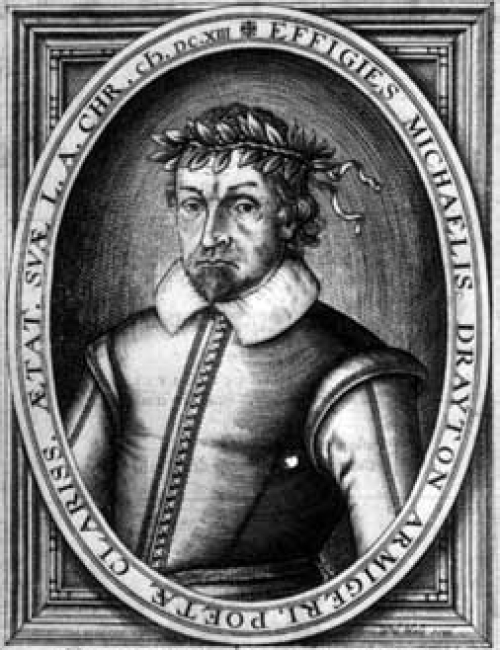
All things in the universe must have a beginning and an ending, including the universe itself, according to Hanūṣ, cosmic space Spider often referenced here. [Actually, in addition to being the name of the Bohemian nobleman and intricate clock-designer-builder in Sanskrit, "Hanūṣ" has the meaning of demon or goblin. Putting that particular disturbing datum aside, we at Ask Dr. Hal! believe in the bona fides of the Spider, who was assigned that name by Czech astronaut Jakub, when we mention that wise Arachnid on this program.] So it is that Love also comes to an end, and we must in this life endure the death of Love as we also abide Death itself. But in the former case, perhaps... just perhaps, poet Michael Drayton suggests, the deceased has a hidden vitality and may, if encouraged, return to Life. Drayton (1563-1631), a personal friend of Shakespeare, wrote this verse, which flashes a strange and stoic note of modernity. One line was used by the late John D. MacDonald as a book title: CANCEL ALL OUR VOWS... But Drayton was mostly known in his own time by his Epic poem NYMPHIDIA, a work about the amours and battles of tiny beings, the diminutive Fairy folk (1627), including Queen Mab (Oberon's first wife, later replaced by the better known Titania). Yes, Mab in the poem is the wife of the fairy king Oberon and is the queen of the diminutive fairies. Mab is similarly mentioned as a pixie-like fairy in works by Ben Jonson, John Milton, and Robert Herrick. Her place as queen of the fairies in English folklore was eventually taken over by Titania. But here we have tiny insect-riding gauzy winged minikins and their amours and court intrigues. This poem only seems of interest to scholars in this Year of Grace. For more on NYMPHIDIA and Drayton, see THE OXFORD HISTORY OF ENGLISH LITERATURE IN THE SIXTEENTH CENTURY by C.S. Lewis. For those like us, affected by the sorrows of loss of a love, we offer his cited short poem.
Nay, I have done, you get no more of me;
And I am glad, yea glad with all my heart,
That thus so cleanly I myself can free.
Shake hands for ever, cancel all our vows,
And when we meet at any time again,
Be it not seen in either of our brows
That we one jot of former love retain.
Now at the last gasp of Love’s latest breath,
When, his pulse failing, Passion speechless lies;
When Faith is kneeling by his bed of death,
And Innocence is closing up his eyes—
Now, if thou wouldst, when all have given him over,
From death to life thou might’st him yet recover!
All things in the universe must have a beginning and an ending, including the universe itself, according to Hanūṣ, cosmic space Spider often referenced here. [Actually, in addition to being the name of the Bohemian nobleman and intricate clock-designer-builder in Sanskrit, "Hanūṣ" has the meaning of demon or goblin. Putting that particular disturbing datum aside, we at Ask Dr. Hal! believe in the bona fides of the Spider, who was assigned that name by Czech astronaut Jakub, when we mention that wise Arachnid on this program.] So it is that Love also comes to an end, and we must in this life endure the death of Love as we also abide Death itself. But in the former case, perhaps... just perhaps, poet Michael Drayton suggests, the deceased has a hidden vitality and may, if encouraged, return to Life. Drayton (1563-1631), a personal friend of Shakespeare, wrote this verse, which flashes a strange and stoic note of modernity. One line was used by the late John D. MacDonald as a book title: CANCEL ALL OUR VOWS... But Drayton was mostly known in his own time by his Epic poem NYMPHIDIA, a work about the amours and battles of tiny beings, the diminutive Fairy folk (1627), including Queen Mab (Oberon's first wife, later replaced by the better known Titania). Yes, Mab in the poem is the wife of the fairy king Oberon and is the queen of the diminutive fairies. Mab is similarly mentioned as a pixie-like fairy in works by Ben Jonson, John Milton, and Robert Herrick. Her place as queen of the fairies in English folklore was eventually taken over by Titania. But here we have tiny insect-riding gauzy winged minikins and their amours and court intrigues. This poem only seems of interest to scholars in this Year of Grace. For more on NYMPHIDIA and Drayton, see THE OXFORD HISTORY OF ENGLISH LITERATURE IN THE SIXTEENTH CENTURY by C.S. Lewis. For those like us, affected by the sorrows of loss of a love, we offer his cited short poem.