
starring Dr. Hal !
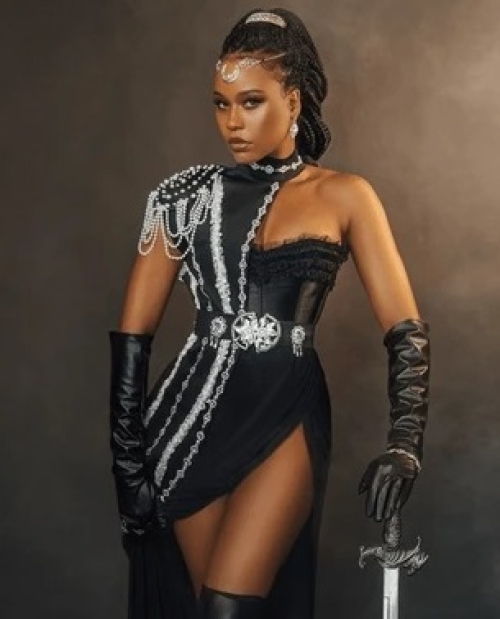
IL PENSEROSO
January 16, 2026 10:00pm
--THE THOUGHTFUL, MELANCHOLY MAN. The quieter pleasures of intellectual contemplation get a shot. Melancholy, goddess personified, is outfitted in black. Why? It is "staid Wisdom's hue." So when you graduate from school or University you wear a black robe. Because supposedly, now you know something, you have knowledge. Why does Hamlet wear black? That was the color of Prince Memnon's sister, and also of Memnon, king of Ethiopia, son of Tithonus by Aurora, who during the extended Graeco-Trojan controversy advanced with a great host to the relief of Priam, King of Troy. He (Memnon) was among the many slain by Achilles. Or how about "that starr'd Ethiop queen--" Cassiopeia, wife of Cepheus, another ruler of Ethiopia, after having triumphed over all the beauties of her age, dared to compare herself to the Nereids-- some say to their grand representative the Sea-Nymph Thetis herself, which proved to be a bad move. To demonstrate Divine displeasure, an enormous sea monster or ocean dragon was prompted to make an appearance to throw the result of their indignation against Cassiopeia into relief. The mis-spoken Queen was commanded by the Delphic Oracle to atone for her unfortunate blurted solecism by exposing her daughter, Andromeda, naked and chained to a rock to be devoured by the monster; but you will recall that Perseus delivered Andromeda from the giant creature, and then even worked successfully behind the scenes to get Cassiopeia to be taken into Heaven, now appearing nightly among the constellations. That's why Milton calls her "that starr'd Ethiop queen." So there you have it: Memnon, his sister, their father Tithonus, Cassiopeia, the beautiful Andromeda herself-- all persons of color, as they say. Black, staid Wisdom's hue.